Exploring the cultural significance of gambling across different societies
The Historical Roots of Gambling
Gambling has deep historical roots that can be traced back to ancient civilizations. In cultures such as those of Mesopotamia and China, games of chance were often tied to religious rituals or community celebrations. Evidence suggests that gambling activities, including dice and betting on the outcomes of events, were popular as far back as 3000 BC. These early forms of gambling served not only as entertainment but also as a way to foster social bonds among participants.
As societies evolved, so did the complexity of gambling. In ancient Rome, for example, gambling was prevalent among both the elite and the commoners, with various games and bets woven into the fabric of daily life. The Roman Empire even introduced organized betting on gladiatorial games, showcasing how gambling could intersect with societal hierarchy and power. This historical context reveals how gambling has long been used to navigate social dynamics, reinforcing its significance across cultures.
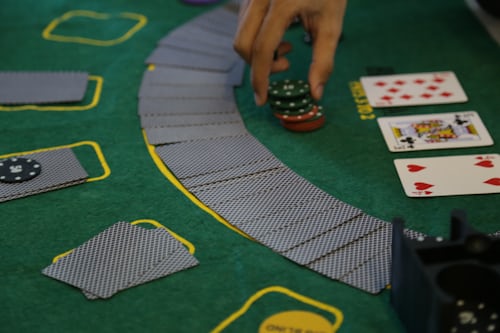
In contrast to modern-day perceptions, where gambling often carries a stigma, many historical societies viewed it as a legitimate pastime. For instance, in medieval Europe, gambling was integrated into fairs and festivals, celebrated for its ability to unite people. This historical narrative serves to illustrate that gambling’s cultural significance is not merely a contemporary phenomenon; it is deeply embedded in our collective past.
Gambling and Social Cohesion
Gambling often plays a pivotal role in fostering social cohesion within communities. In many cultures, games of chance are seen as a communal activity that brings people together. For instance, in various Indigenous cultures, gambling games serve as social gatherings that reinforce community ties, allowing individuals to share stories and build relationships. These activities can provide a sense of belonging and continuity, showcasing how gambling serves as a vital cultural practice.
Moreover, the social dynamics of gambling often reflect broader societal structures. In places like Japan, traditional games such as «hanafuda» and «pachinko» are more than just games; they act as vehicles for social interaction, facilitating bonds among friends and family. These gatherings highlight the role of gambling as a cultural activity, providing not just entertainment but also a space for collective experiences and identity formation.
In many communities, the act of gambling transcends individual gain and serves to reinforce communal norms and values. For example, in some African societies, gambling is interwoven with local traditions and ceremonies, often used to raise funds for community projects. This illustrates that gambling is not only a form of entertainment but also a means of contributing to the greater good, thus amplifying its cultural significance.
Cultural Perspectives on Gambling
Cultural attitudes toward gambling can vary dramatically, influencing how it is perceived and integrated into society. In Western cultures, gambling is often viewed through the lens of individual freedom and personal responsibility. Casinos, lotteries, and sports betting are popular and widely accepted, contributing significantly to economies. This acceptance, however, comes with concerns over addiction and ethical implications, revealing a complex relationship between enjoyment and potential harm.
In contrast, many Eastern cultures have a more ambivalent stance towards gambling. In countries like China, while gambling is deeply rooted in tradition and often celebrated during festivities such as the Lunar New Year, it is also associated with negative societal issues like corruption and crime. This duality reflects a tension between cultural appreciation for games of chance and the social consequences that can arise from them.
Ultimately, these varying perspectives underscore that gambling is not merely a universal activity but is instead shaped by the specific cultural contexts in which it exists. Understanding these differences is crucial for appreciating the cultural significance of gambling and the myriad ways it can be experienced and interpreted across societies.
The Impact of Modernization on Gambling Practices
The advent of technology has transformed gambling practices dramatically in recent years. Online gambling platforms, mobile applications, and virtual casinos have revolutionized access to games of chance, making it easier than ever for individuals to participate. This digital shift has broadened the audience and diversified the types of games available, enabling cultural exchange and innovation in gambling practices.
However, modernization also brings challenges. The ease of access to online gambling can lead to increased risks of addiction and financial problems, prompting some societies to reevaluate their approach to regulation and education about responsible gambling. Additionally, the loss of traditional gambling practices in favor of online platforms raises concerns about the erosion of cultural heritage, as the communal aspects of gambling can be diminished in a virtual environment.
In light of these changes, it is crucial for societies to strike a balance between embracing modernity and preserving the cultural significance of traditional gambling practices. By fostering awareness and responsibility, communities can enjoy the benefits of modern gambling while honoring the cultural narratives and social cohesion that these activities have historically provided.
Exploring Spinbara Casino and Its Cultural Context
In the contemporary landscape of gambling, platforms like embody the evolution of gaming experiences that span cultures and societies. Spinbara offers a diverse array of gaming options, including slots, table games, and live dealer experiences, reflecting the growing demand for variety and innovation in the gambling industry. This casino not only caters to individual preferences but also serves as a modern forum for social interaction, mirroring traditional communal gambling practices.
Moreover, ‘s commitment to responsible gaming aligns with the need for a balanced approach to gambling. By implementing robust security measures and providing tools for safe gaming, it acknowledges the complexities surrounding modern gambling and aims to promote a healthier relationship with gaming activities. This approach resonates with cultural values around community well-being and individual responsibility, reinforcing the need for thoughtful engagement with gambling.
Ultimately, represents a microcosm of the broader cultural significance of gambling in today’s society. By offering both entertainment and community, it continues the age-old tradition of games of chance while adapting to modern sensibilities and technological advancements, ensuring that the cultural narratives surrounding gambling evolve in meaningful ways.